Mbsm.tn, plugin wordpress, from Mbsmgroup, MBSM Pages Grid Pro, show all pages in one page Grid

mbsm-pages-grid-pro-technical-architecture-guide

Advanced Architectural Framework: Modular Content Routing with MBSM Pages Grid Pro

In the demanding environment of modern enterprise web development, the transition from simple hierarchical lists to a high-performance, modular content hub is essential. The MBSM Pages Grid Pro is not merely a visual enhancement; it is a sophisticated engineering solution designed to optimize the Document Object Model (DOM) while providing a granular level of control over user navigation paths. By decoupling visual presentation from the core WordPress page structure, this framework allows for a highly customized, data-driven user experience that prioritizes both speed and semantic clarity.

Technical Engineering: Logic and Data Integrity

The plugin is architected on a centralized data management model. Instead of polluting the post_meta table with fragmented entries, it utilizes the WordPress Options API to store all grid configurations in a single, high-performance array. This design choice significantly reduces database I/O overhead. Furthermore, the implementation of defensive programming techniques—such as wp_kses_post for data sanitization and strict nonce verification—ensures that the system maintains a high security posture against unauthorized administrative requests.

Comparative Engineering: Modular Grids vs. Standard Navigation

Feature Capability Standard WP Navigation MBSM Pages Grid Pro
Data Structure Linear / Nested List Multi-dimensional Grid
Media Integration Manual CSS/HTML Native Media API Support
Routing Logic Strict Internal Permalinks Hybrid Internal/External Links
Layout Control Theme Dependent CSS Grid (Self-Optimizing)
Admin UX Drag-and-Drop (limited) Centralized Configuration Hub

Quantitative Performance and Efficiency Metrics

From a structural engineering standpoint, the impact on site performance must be minimal. The MBSM Pages Grid Pro utilizes a modern CSS Grid layout that adapts fluidly to the viewport without the need for heavy JavaScript libraries. This results in faster Largest Contentful Paint (LCP) times and a more responsive interface across all device categories.

Performance Analysis Across CMS Architectures

Metric Static Page Templates Generic Builder Grids MBSM Pro Implementation
Server Load Low High (DB Intensive) Ultra-Low (Single Option)
Asset Size Variable Large (CSS/JS Bloat) Minimal (Inline CSS Logic)
DOM Depth Shallow Deep (Nested Divs) Optimized (Semantic Cards)
Adaptability Hardcoded Configurable Dynamic & Programmable

The Programmer’s Perspective: Clean Code and Scalability

Professional programming is the art of building systems that are as sustainable as they are functional. The programmer behind MBSM Pages Grid Pro has prioritized the use of native WordPress hooks, such as admin_init and admin_enqueue_scripts, to ensure that the plugin remains compatible with future core updates. By focusing on “clean code” principles, the architecture allows for easy expansion—such as adding AJAX-based filtering or custom taxonomy support—without refactoring the base logic.

Installation and Technical Implementation Guide

Building the Environment (Installation)

  1. Direct Integration: Deploy the plugin directory to /wp-content/plugins/.

  2. Activation Sequence: Upon activation via the WordPress Dashboard, the system initializes the mbsm_pages_grid_pro_data option key.

  3. Environment Check: Ensure the server environment supports PHP 7.4+ to leverage optimized array functions for sorting and sanitization.1


Utilization and Operational Procedures

  1. Configuration Interface: Navigate to the dedicated “MBSM Pages Grid Pro” menu in the admin sidebar.

  2. Data Population: For each page, you can independently assign a custom thumbnail from the Media Library, define a redirected URL, and set the display order.

  3. Shortcode Deployment: The system is triggered via the [mbsm_pages_grid_pro] shortcode. This can be embedded in any standard page or post editor.

Shortcode Attributes and Logic

To customize the output on specific sections of your site, the shortcode supports a column attribute:

  • [mbsm_pages_grid_pro columns="3"]: Generates a balanced three-column layout.

  • [mbsm_pages_grid_pro columns="4"]: Optimizes space for high-density content portfolios.

Strategic Insights and Benefits

  • SEO Siloing: Use the grid to create “siloed” content sections, which helps search engine crawlers understand topical authority and improves internal link equity.2


  • Conversion Optimization: By using the “Custom Button Text” and “Extra Content” fields, you can turn a simple link into a high-converting call to action.

  • Operational Agility: Use the visibility toggle to pre-configure product or service cards and launch them instantly without touching the page’s “Publish” status.

Engineer’s Notice: For the highest aesthetic standard, it is recommended to use images with a consistent 4:3 or 16:9 aspect ratio. This ensures the grid maintains a perfect vertical rhythm across all browser resolutions.


Focus Keyphrase

Professional WordPress Grid Architecture with MBSM Pages Grid Pro Plugin

SEO Title

MBSM Pages Grid Pro: Advanced Modular Page Management for WordPress

Meta Description

Optimize your WordPress site with MBSM Pages Grid Pro. A professional engineering solution for creating responsive page grids, custom URLs, and visual navigation hubs with high-performance code.

Slug

mbsm-pages-grid-pro-technical-architecture-guide

Tags

Mbsmgroup, Mbsm.pro, mbsmpro.com, mbsm, WordPress Programming, Web Engineering, PHP Development, CSS Grid, Responsive Design, Professional Plugin, Media Management, SEO Optimization

Excerpt

MBSM Pages Grid Pro is a high-performance modular framework designed for professional WordPress environments. By decoupling visual presentation from site structure, it offers developers a robust tool for creating SEO-friendly, data-driven page hubs. This guide details the installation, programming logic, and strategic implementation of this sophisticated grid system.


mbsm-pages-grid-pro-technical-architecture-guide


Show exemple
Mbsm-tn-private-media_mbsm_pages_grid-DOWNLOAD


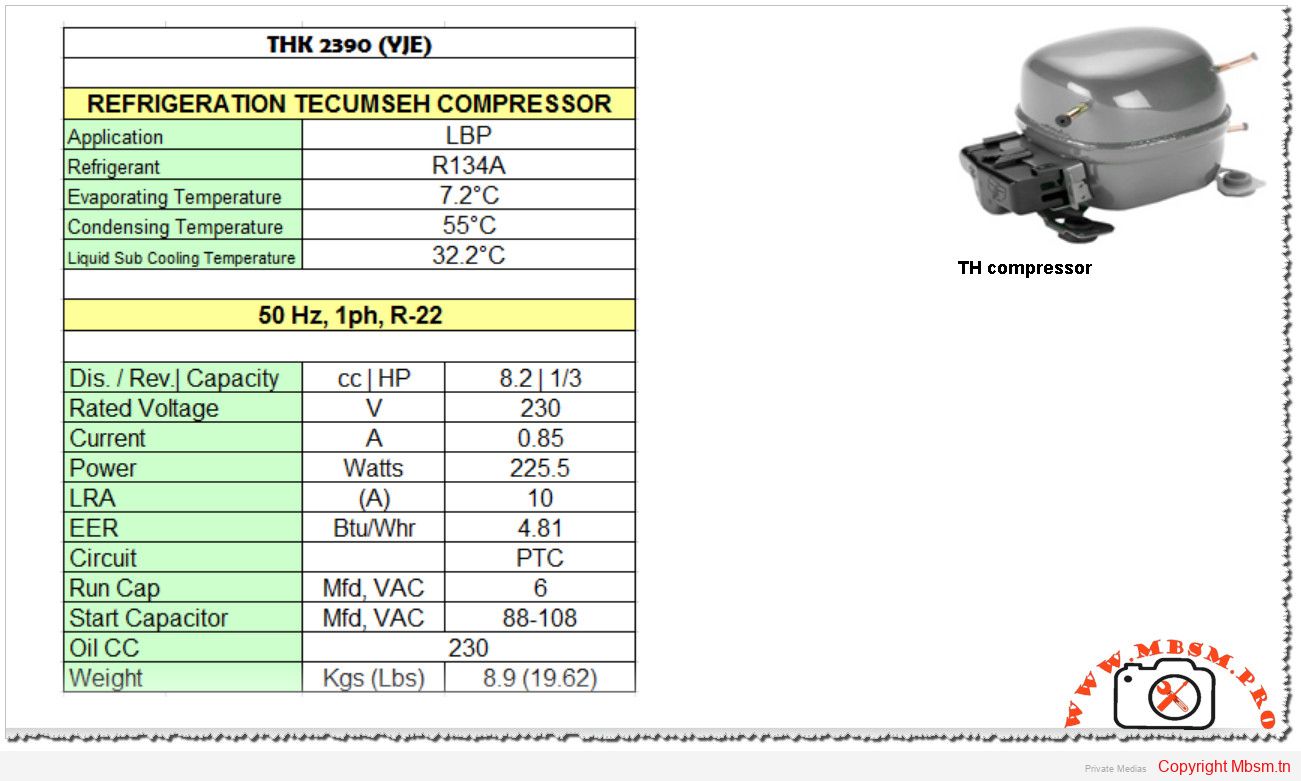
pdf, Mbsm.pro, Compressor, THK2390YJE, LBP, 1/3 hp, R134a, Freezing, Tecumseh Compressor

THK2390YJE

Mbsm-tn-private-media_-AE2390Y

THK2390YJE
THK2390YJE

Mbsm-tn-private-media_mbsm.pro-Mbsmpro Compressor THK2390YJE LBP 13 hp R134a Freezing Tecumseh CompressorMbsm-tn-private-media_mbsm.pro-Mbsmpro Compressor THK2390YJE LBP 13 hp R134a Freezing Tecumseh Compressor


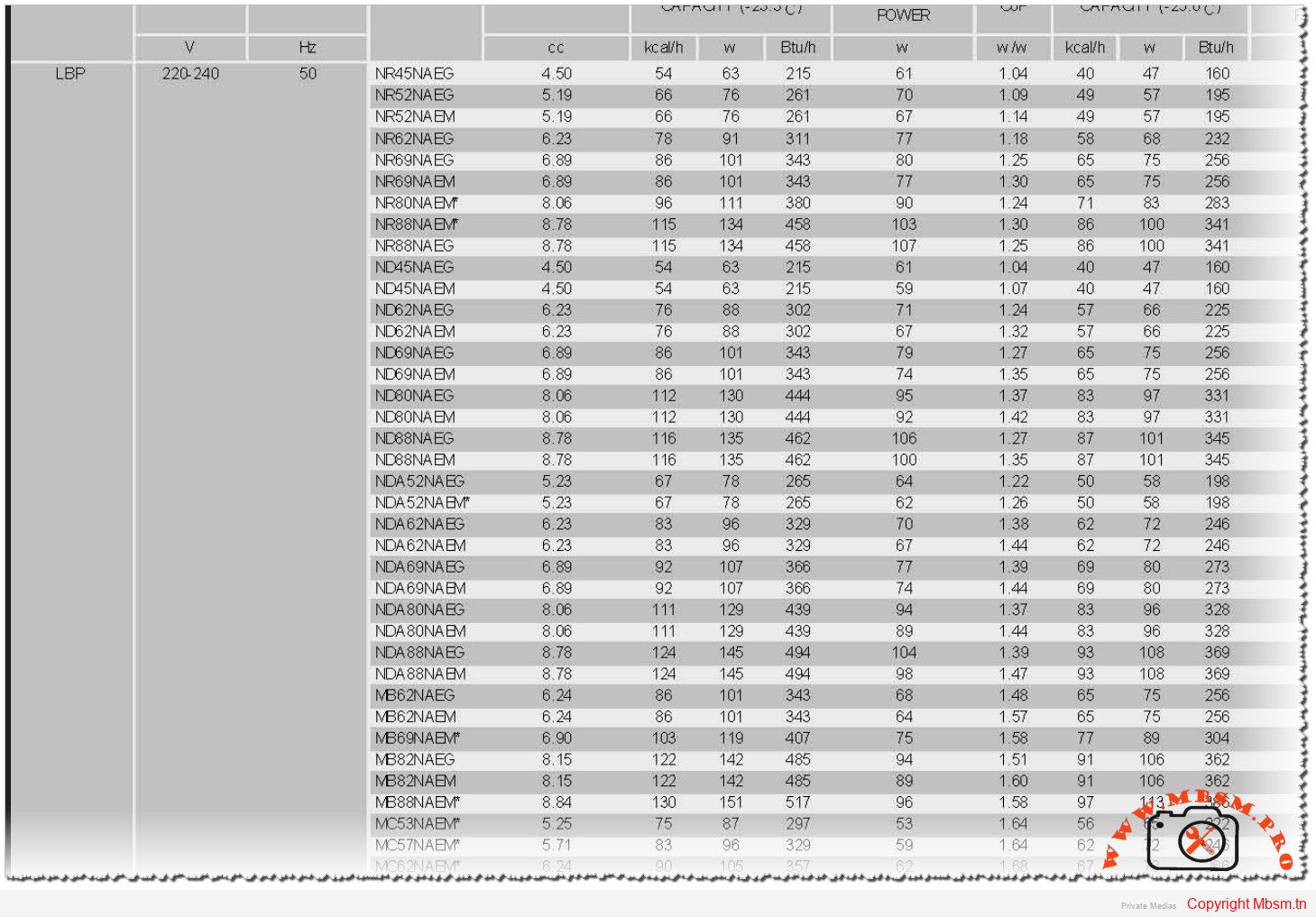
File Pdf, Mbsm.pro, Compressor, Lg, Lbp, MB88NA, 151 w, 1/5 hp, r600a, 1ph-220v-50hz

Mbsm-tn-private-media_-MB88NA
 
https://www.mbsm.pro/wp-content/uploads/2025/04/Mbsm_dot_pro_private_PDF-MB88NA.pdf
Mbsm-tn-private-media_mbsm.pro-Mbsmpro Compressor Lg Lbp MB88NA 151 w 15 hp r600a 1ph-220v-50hz
https://mbsm.tn/wp-content/uploads/2025/04/Mbsm-tn-private-media_mbsm.pro-Mbsmpro-Compressor-Lg-Lbp-MB88NA-151-w-15-hp-r600a-1ph-220v-50hz.pdf” title=”Mbsm-tn-private-media_mbsm.pro-Mbsmpro Compressor Lg Lbp MB88NA 151 w 15 hp r600a 1ph-220v-50hz


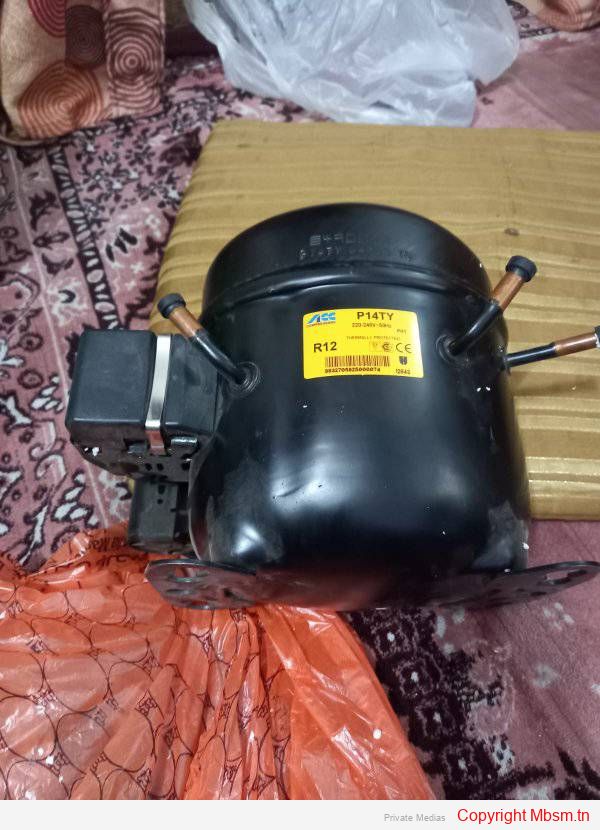
Pdf Files, Mbsm.pro, Compressor, P14TY, 3/8 hp, Cooling, hmbp, r12, 1ph220v


Pdf File, Mbsm.pro, Compressor, BTF60AA, 1/7 hp, r600a, lbp, Serbian Compressor, serie T, from 180 L to 200 L, from 70 to 75 W

Mbsm-tn-private-media_-comprehensive-guide-to-siberia-compressors-specifications-performance-and-applications
Pdf File, Mbsm.pro, Compressor, BTF60AA, 1/7 hp, r600a, lbp, Serbian Compressor, serie T, from 180 L to 200 L, from 70 to 75 W

Mbsm-tn-private-media_---comprehensive-guide-to-siberia-compressors-specifications-performance-and-applications
https://mbsm.tn/wp-content/uploads/2025/03/Mbsm-tn-private-media_-comprehensive-guide-to-siberia-compressors-specifications-performance-and-applications.pdf
Mbsm-tn-private-media_mbsm.pro-Mbsmpro Compressor BTF60AA 17 hp r600a lbp Serbian Compressor serie T from 180 L to 200 L from 70 to
https://mbsm.tn/wp-content/uploads/2025/03/Mbsm-tn-private-media_-comprehensive-guide-to-siberia-compressors-specifications-performance-and-applications.pdf


Pdf File: Mbsm.pro, compressor, AE16LMY,3/8 hp, R134a, HBP, 17.4 cc, 5/8 hp, R404, LBP, 14.5 cc.

Mbsm-tn-private-media_-AE16LMY
https://mbsm.tn/wp-content/uploads/2025/03/Mbsm-tn-private-media_-AE16LMY.pdf

Mbsm-tn-private-media_mbsm.pro-Mbsmpro compressor AE16LMY38 hp R134a HBP 174 cc 58 hp R404 LBP 145 cc
https://mbsm.tn/wp-content/uploads/2025/03/Mbsm-tn-private-media_mbsm.pro-Mbsmpro-compressor-AE16LMY38-hp-R134a-HBP-174-cc-58-hp-R404-LBP-145-cc.pdf


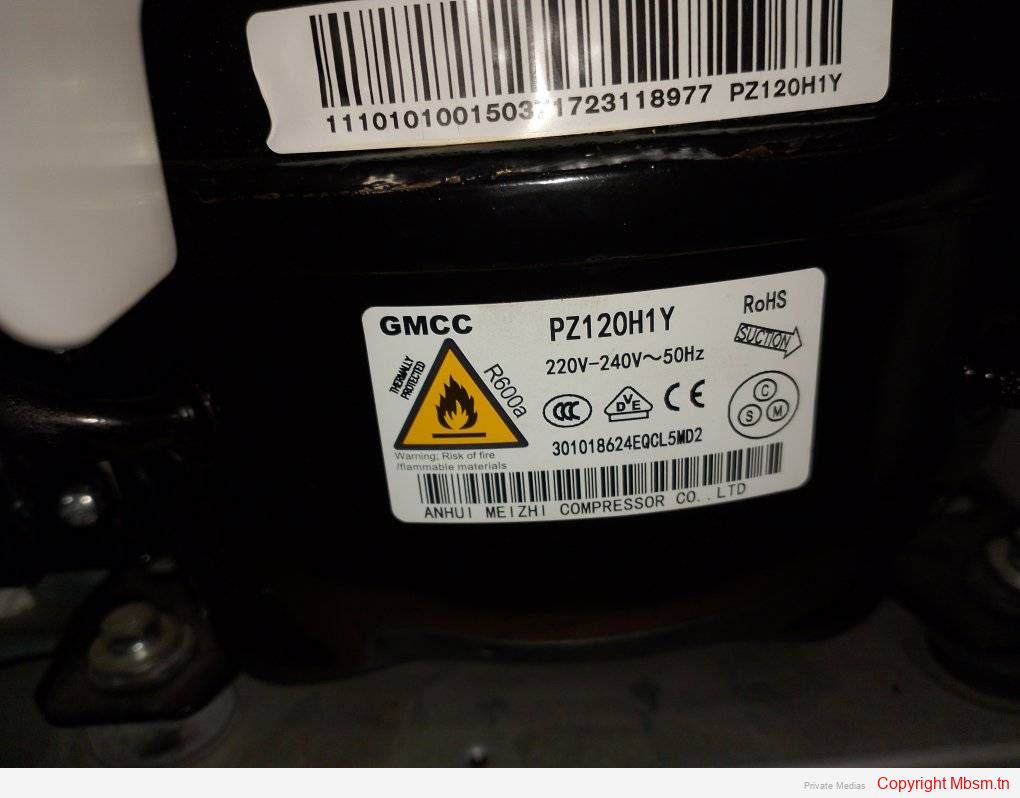
Pdf File, Mbsm.pro, Copressor, GMCC, PZ120H1Y, 1/3 hp, 210 w, lbp, r600a

Mbsm-tn-private-media_PZ120H1Y-R600a-Data-Sheet
https://mbsm.tn/wp-content/uploads/2025/03/Mbsm-tn-private-media_PZ120H1Y-R600a-Data-Sheet.pdf

Mbsm-tn-private-media_mbsm.pro-Mbsmpro Copressor GMCC PZ120H1Y 13 hp 210 w lbp

https://mbsm.tn/wp-content/uploads/2025/03/Mbsm-tn-private-media_mbsm.pro-Mbsmpro-Copressor-GMCC-PZ120H1Y-13-hp-210-w-lbp.pdf


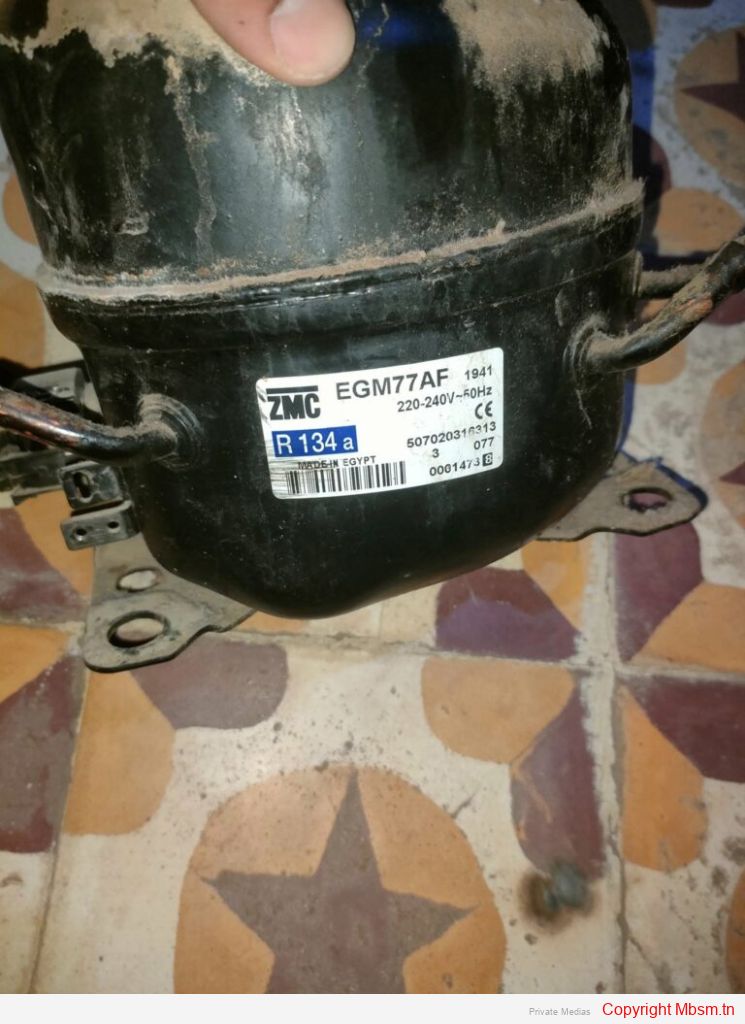
File Pdf : Compressor-GM35AF-GM55AF-GM70AF-GM66AF-GM75AF-GM77AF-GM80AF-GM91AF-GM80AF

Mbsm-tn-private-media_Compressor-GM35AF-GM55AF-GM70AF-GM66AF-GM75AF-GM77AF-GM80AF-GM91AF-GM80AF

Mbsm-tn-private-media_Compressor-GM35AF-GM55AF-GM70AF-GM66AF-GM75AF-GM77AF-GM80AF-GM91AF-GM80AF


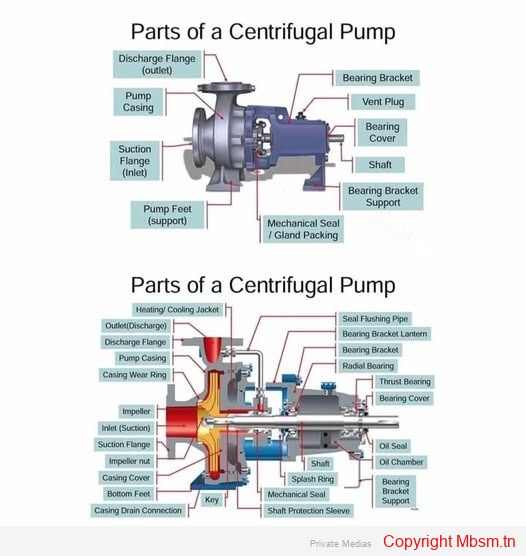
Mbsm.tn, Parts, of a Centrifugal, Pump

Centrifugal pumps are widely used devices for moving fluids, and they consist of several critical components that work together to perform this function. Here are the main parts of a centrifugal pump:

Key Components of a Centrifugal Pump

  1. Casing (Volute):

    • The casing, also known as the volute, is the outer shell that houses the pump components. It contains the liquid being pumped and converts kinetic energy into pressure by slowing down the fluid as it exits the impeller. The design can be either single-piece or split into upper and lower sections, depending on the pump’s configuration14.

  2. Impeller:

    • The impeller is the rotating component responsible for imparting energy to the fluid, increasing its velocity and pressure. It consists of blades or vanes that push the liquid outward from the center to the periphery as it rotates25. Impellers can be categorized into three types: open, semi-open, and closed, each suited for different applications1.

  3. Shaft:

    • The shaft connects the impeller to the motor or engine, transmitting torque to facilitate rotation. It is a critical structural component that supports various rotating parts of the pump46.

  4. Bearings:

    • Bearings support the shaft and help maintain its alignment during operation. They reduce friction between moving parts and can absorb both radial and axial forces25. Different types of bearings may be used, including anti-friction and sleeve bearings.

  5. Mechanical Seals:

    • These seals prevent leakage of the pumped liquid along the shaft. They can be packing rings or mechanical seals designed to withstand high pressures and temperatures45.

  6. Suction and Discharge Ports:

    • These ports are essential for fluid entry (suction) and exit (discharge) from the pump. Proper design ensures efficient flow into and out of the pump system56.

  7. Backplate:

    • The backplate acts as a seal for the impeller, providing structural support and helping to maintain pressure within the casing1.

  8. Diffuser (optional):

    • In some designs, a diffuser may be included to further enhance efficiency by directing fluid flow more gradually after it exits the impeller, thereby optimizing pressure conversion46.

  9. Suction Pipe and Foot Valve:

    • The suction pipe allows fluid to enter the pump from a source, while a foot valve can prevent backflow when the pump is not in operation3.

  10. Discharge Pipe and Valve:

    • These components channel the pumped fluid away from the pump to its destination while controlling flow rates and pressure3.

Understanding these components is crucial for anyone involved in selecting, operating, or maintaining centrifugal pumps, as each part plays a vital role in ensuring efficient performance and reliability in fluid transport applications.


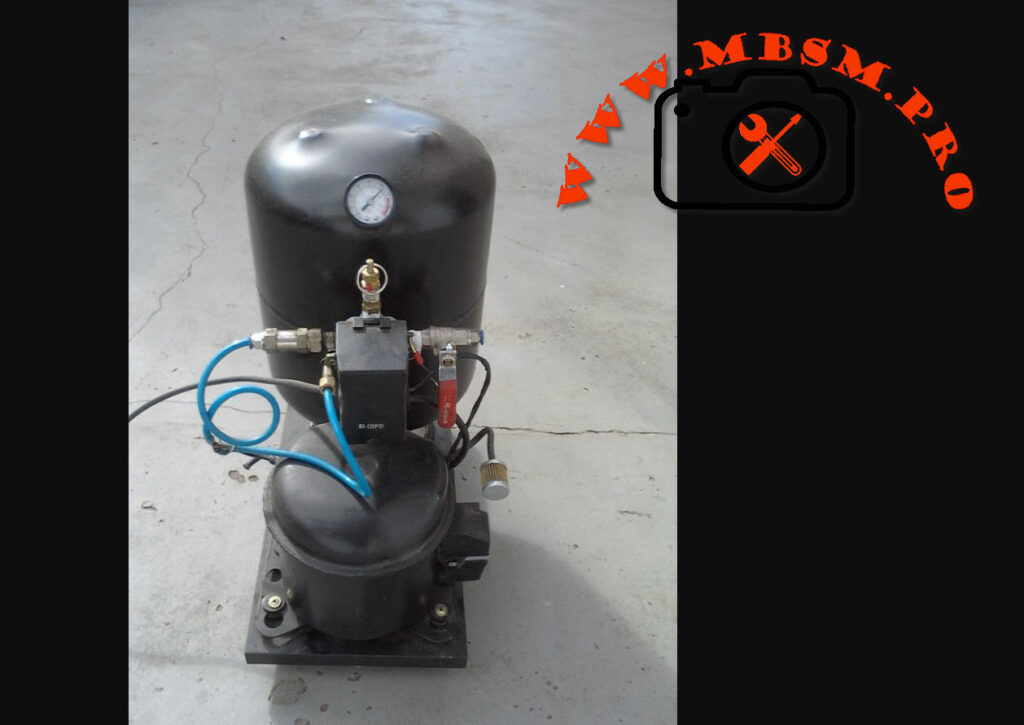
Mbsm.tn, Project, Homemade, Compressor, Using , Refrigerator Motor, and Gas Cylinder

Homemade Compressor Using a Refrigerator Motor and Gas Cylinder

To build a homemade compressor using a refrigerator motor and a gas cylinder, you can follow a relatively simple process, which is described in various videos and tutorials available online. Below are the main steps, materials needed, and essential safety precautions for this construction.

Necessary Materials

  • Refrigerator Motor or Air Conditioner
  • Gas Refrigerant Cylinder (preferably R410A)
  • Pneumatic Hose
  • Clamps
  • Electrical Wires
  • Connections for the Cylinder
  • Check Valve (optional but recommended)

Necessary Tools

  • Pliers
  • Screwdriver
  • Soldering Iron (for connections)
  • Multimeter (for electrical testing)

Step-by-Step Instructions

  1. Disassemble the Motor: Remove the motor from the refrigerator, ensuring that all wires are disconnected. It’s important to check if the motor is in good condition before using it.
  2. Prepare the Cylinder: The cylinder should be cleaned and prepared to receive the connections. Make appropriate holes for the hoses and install the necessary connections.
  3. Assemble the Connections: Connect the pneumatic hose to the cylinder and the motor. Use clamps to ensure that the connections are tight and do not leak air.
  4. Electrical Installation: Connect the electrical wires to the motor, making sure to follow instructions on how to wire the motor without a relay, if necessary. A multimeter can be useful to check for continuity in the connections.
  5. Test the Compressor: After assembly, perform a test to check if the compressor is functioning correctly. Monitor the pressure in the cylinder and check for any leaks.
  6. Finalization: After testing, finalize the assembly by organizing the wires and securing the cylinder on a stable base if necessary.

Safety Considerations

General Safety

  • Personal Protective Equipment (PPE): Always wear safety goggles, gloves, and ear protection when working with tools and machinery.

Electrical Safety

  • Disconnect Power: Ensure that all electrical power is disconnected before working on any wiring.
  • Check Connections: Use a multimeter to verify that there are no short circuits before powering on the motor.

Handling Gas Cylinders

  • Proper Ventilation: Work in a well-ventilated area when handling refrigerant gases to avoid inhalation of harmful fumes.
  • Avoid Leaks: Regularly check all connections for leaks. If you detect any refrigerant leak, stop work immediately and ventilate the area.

Pressure Safety

  • Pressure Relief: Make sure that there is a pressure relief valve installed on your system to prevent overpressure situations.
  • Do Not Exceed Rated Pressure: Always operate within the manufacturer’s recommended pressure limits for both the motor and gas cylinder.

Emergency Preparedness

  • Know Emergency Procedures: Be aware of what to do in case of an electrical shock or gas leak.
  • Fire Extinguisher: Keep a fire extinguisher nearby when working with flammable materials or gases.

Final Considerations

A compressor made with a refrigerator motor can be very useful for various applications, such as painting, inflating tires, and other uses that require compressed air. It’s a great way to recycle materials and create a practical tool for your workshop or home.Always remember to take safety precautions when working with electricity and high pressures, especially when handling gas refrigerant cylinders. Your safety should always be your top priority!